2026-10-21 ·
Oven Temperature Problems During Sunnyvale Winters
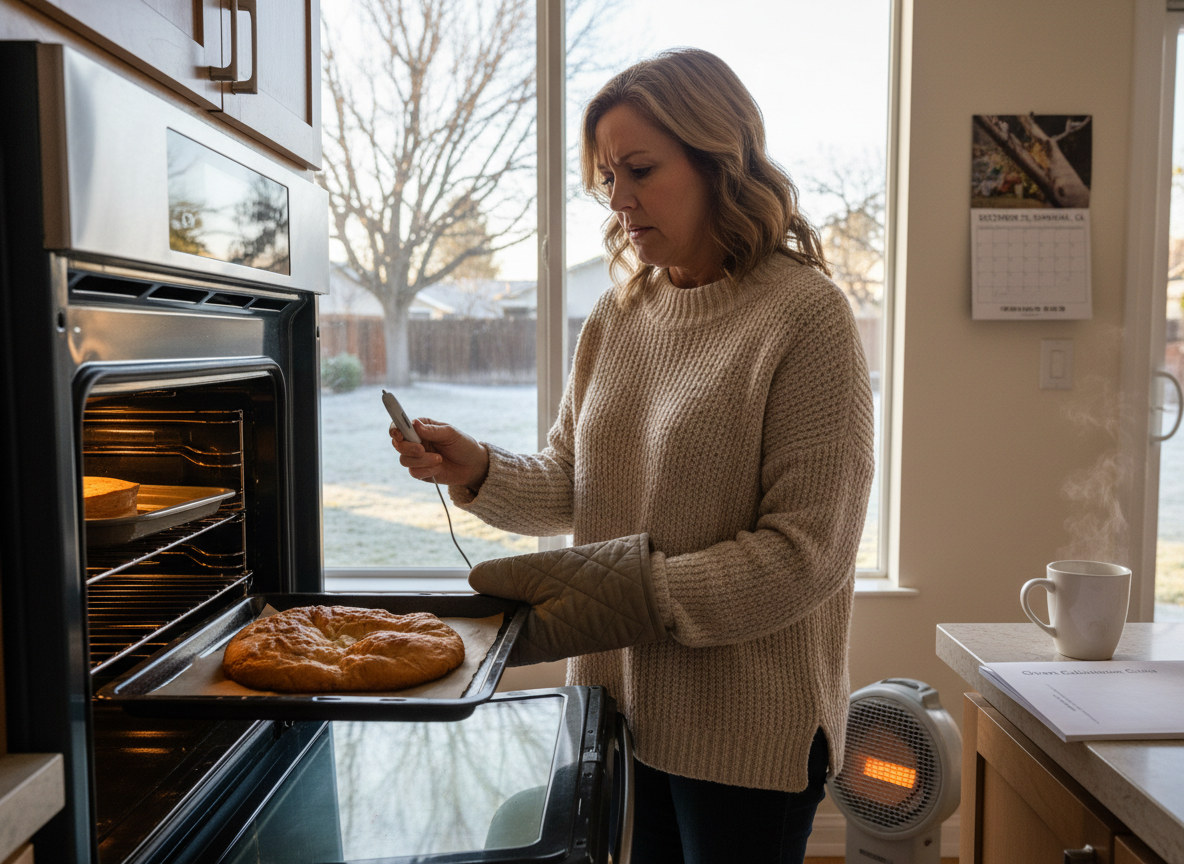
Oven temperature problems in Sunnyvale winters typically trace to sensor drift and calibration shifts once nighttime lows fall into the 40s, causing preheats to run 15–25 minutes longer than summer norms and uneven baking on the middle rack.
Impact of Cool Winter Temperatures on Oven Sensors
Sunnyvale's mild Mediterranean climate brings cool winters that affect appliance performance in neighborhoods like Ponderosa and Murphy where many single-story ranch homes from the 1960s and 1970s still operate original or early-replacement ovens. Lower ambient temperatures around the appliance can slow heat recovery after door openings and push the oven sensor to work harder to maintain set points. In East Sunnyvale and Sunnyvale West, residents often notice biscuits browning unevenly or casseroles taking extra time because the sensor reads 25–50°F low after repeated cool starts. These conditions differ from nearby San Jose where denser housing sometimes retains more warmth overnight. Regular door gasket checks help, yet many homeowners first try a simple oven thermometer test placed on the center rack for a full 20-minute cycle at 350°F to confirm the actual variance before scheduling service.
Common Oven Temperature Issues in Older Sunnyvale Homes
Homes built before 1980 in Lakewood and around the Computer History Museum frequently show worn bake elements or loose sensor connections after 12–15 years of service. Cool winter air entering through older window frames near Baylands Park can create micro-drafts that cool the oven cavity faster between cycles. This leads to the control board calling for extra power, which shortens element life and produces the classic symptom of the oven reaching temperature then dropping 30–40°F before reheating. Residents in Downtown Sunnyvale report similar patterns when using the oven for holiday baking during December and January. Checking the sensor resistance with a multimeter at room temperature—typically 1080–1090 ohms at 70°F—gives a quick field indication of drift before full replacement.
Diagnosing and Fixing Calibration Problems
Start by running an empty 350°F test with an external thermometer for 30 minutes and note any offset greater than 25°F. Many ovens allow a 30–50°F calibration adjustment through the control panel, but persistent errors after adjustment point to a failing sensor or element. In Santa Clara County homes, power flickers during winter storms can reset electronic controls and erase prior calibrations, mirroring issues covered in related appliance resets. Avoid self-repairs on gas models due to safety valves and instead verify wiring harness connections at the sensor and element terminals. Track how often the oven cycles on during a two-hour bake—more than six times usually signals a sensor or control issue needing attention.
When Professional Oven Repair Becomes Necessary
If temperature swings exceed 50°F or the oven fails to reach set point within 25 minutes, contact OTJ Appliance Repair for on-site diagnostics available 24/7. Technicians serving Sunnyvale and nearby Mountain View commonly replace sensors and recalibrate controls on-site in under two hours for most electric models. Homeowners in Cupertino and San Jose with similar housing stock often combine oven work with checks on related appliances when multiple units show age-related wear. Keeping the oven clean and avoiding foil on racks reduces future sensor fouling during the cool season.